Energy-Efficient Embedded Computing
Description: The twin demands for real-time workloads and low-energy operation are redrawing the computational space of multicore embedded systems. Fault tolerance, domain-specific accelerators, compiler optimization, task scheduling, device-edge-cloud collaboration, and model compression coupled with on-device inference constitute a set of mutually constraining core tasks within that space, and the way these tasks are executed in concert determines the overall efficiency of the system. This session invites submissions from researchers and engineering practitioners. Paper topics include low-power architecture design, heterogeneous resource scheduling, neural network quantization and pruning, real-time edge inference, energy harvesting and power modeling, and the joint optimization of reliability with efficiency. The aim is to extend the application of energy-efficient embedded systems to smart terminals, industrial IoT, autonomous driving, and wearable devices.
Session organizers
Assoc. Prof. Lei Mo, Southeast University, China
Assoc. Prof. Yan He, Zhengzhou University of Light Industry, China
Assoc. Prof. Guiyun Liu, Guangzhou University, China
The topics of interest include, but are not limited to:
1. Fault Tolerance and Dependable Embedded Computing
2. Domain-Specific Accelerators and Low-Power Architecture
3. Energy-Aware Compilation and Code Generation
4. Real-Time Task Scheduling and Resource Management
5. Device-Edge-Cloud Collaboration and Cross-Layer Offloading
6. Model Compression and On-Device Inference
Submission method
Submit your Full Paper (no less than 5 pages with two colums) or your paper abstract-without publication (200-400 words) via Online Submission System, then choose Special Session 6 (Energy-Efficient Embedded Computing)
Introduction of Session organizers
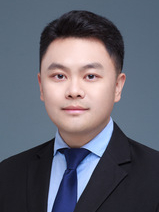 |
Assoc. Prof. Lei Mo
|
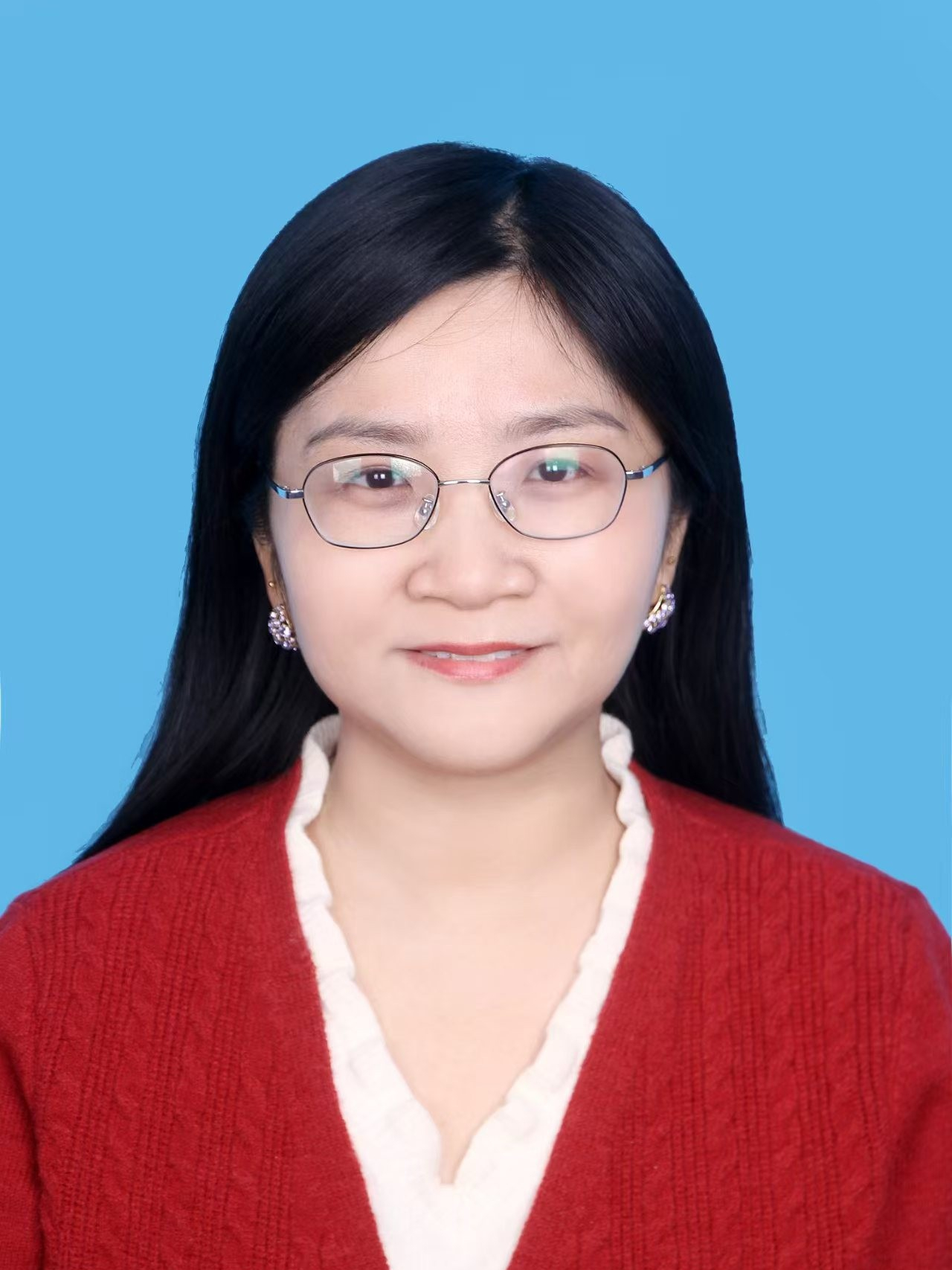 |
Assoc. Prof. Yan He
|
 |
Assoc. Prof. Guiyun Liu Guangzhou University, China Guiyun Liu is an Associate Professor at the School of Mechanical and Electrical Engineering, Guangzhou University, and a Guangzhou high-level talent. He received his bachelor's degree from Qinghai University in 2006 and his master's and doctoral degrees in detection technology and control theory from South China University of Technology in 2009 and 2012. His research covers large models, reinforcement learning, reaction-diffusion dynamics modeling, and the security of low-altitude and underwater Internet of Things; he previously worked on Internet of Things engineering and wireless charging. He has published more than 70 journal and conference papers, holds over 100 authorized patents, and has led one project funded by the National Natural Science Foundation of China. |